Understanding Blemish-Prone Skin & Breakouts
Supporting Clear, Healthy Skin
Blemish-prone skin can affect clients of all ages and is influenced by a combination of factors including oil production, bacteria, inflammation, hormones, lifestyle, and skincare habits. Breakouts may appear as congestion, blackheads, whiteheads, inflamed spots, or persistent adult acne, and can vary significantly from person to person.
At SkinAstute Clinic, our focus is on understanding why blemishes are occurring rather than simply treating what is visible on the surface. A comprehensive in-clinic assessment is always required to identify contributing factors and to recommend safe, effective, and appropriate treatments tailored to your individual skin needs.
Excess Oil & Congestion
Overproduction of sebum can lead to blocked pores and congestion, creating an environment where blemishes can develop. This is often influenced by genetics, hormones, and unsuitable skincare products. Managing oil levels without stripping the skin is key to improving breakouts.
Inflammation & Bacterial Imbalance
Inflammation plays a significant role in blemish formation. When bacteria become trapped within blocked pores, the skin can respond with redness, swelling, and discomfort. Calming inflammation and supporting the skin barrier are essential parts of long-term improvement.
Hormonal & Lifestyle Influences
Hormonal changes, stress, diet, and lifestyle factors can all impact skin clarity. Adult blemishes are particularly common around the jawline and lower face and often require a more tailored, supportive approach rather than aggressive treatments.
Targeted treatments for Blemish-Prone Skin
Our treatments for blemish-prone skin are designed to rebalance, calm, and strengthen the skin while reducing breakouts and supporting long-term skin health. All treatments are selected following a personalised consultation to ensure suitability and safety.
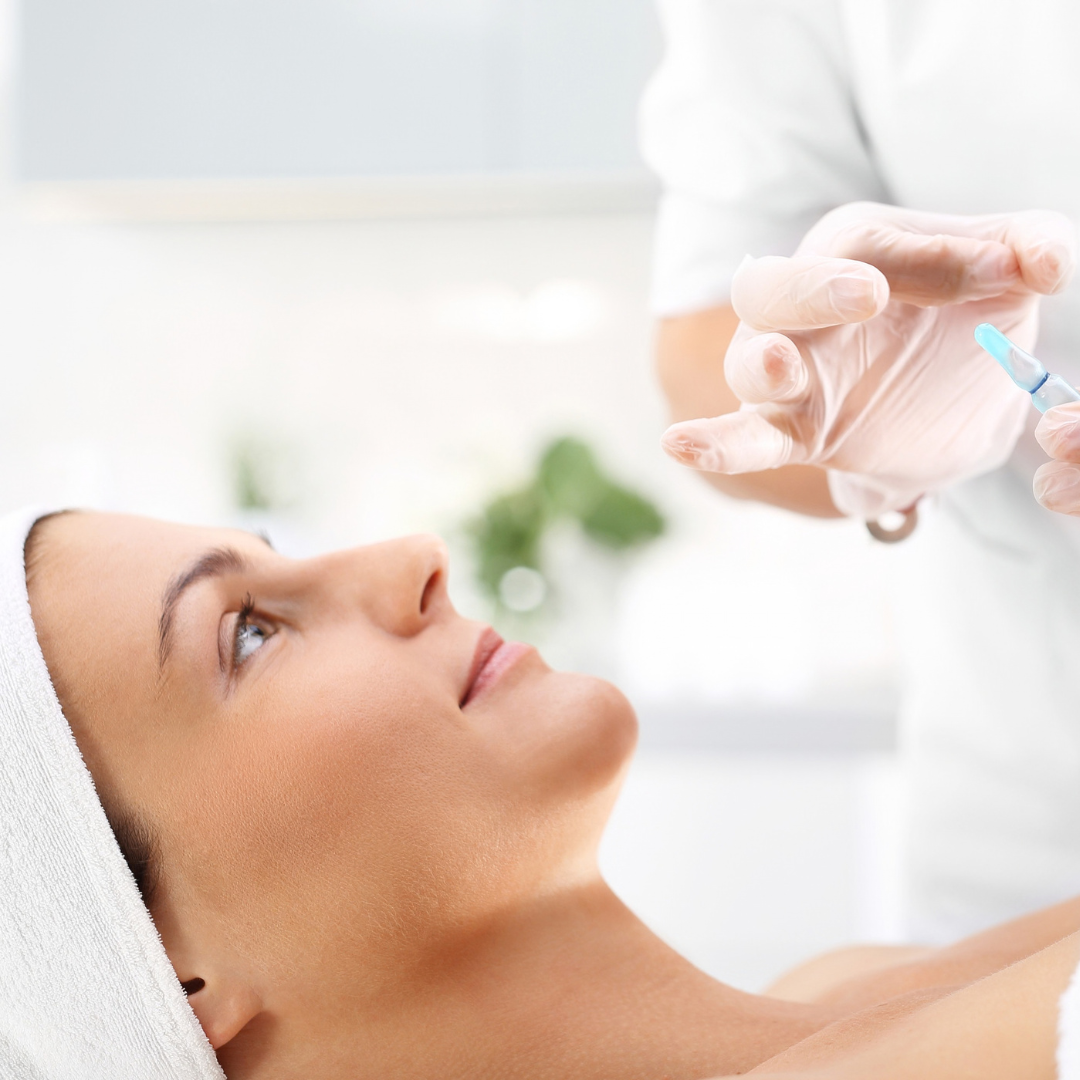
Mesotherapy
Mesotherapy delivers targeted ingredients into the superficial layers of the skin to support hydration, barrier repair, and skin balance. For acne-prone skin, formulations are selected to calm inflammation and support resilience. Suitability is confirmed following assessment.
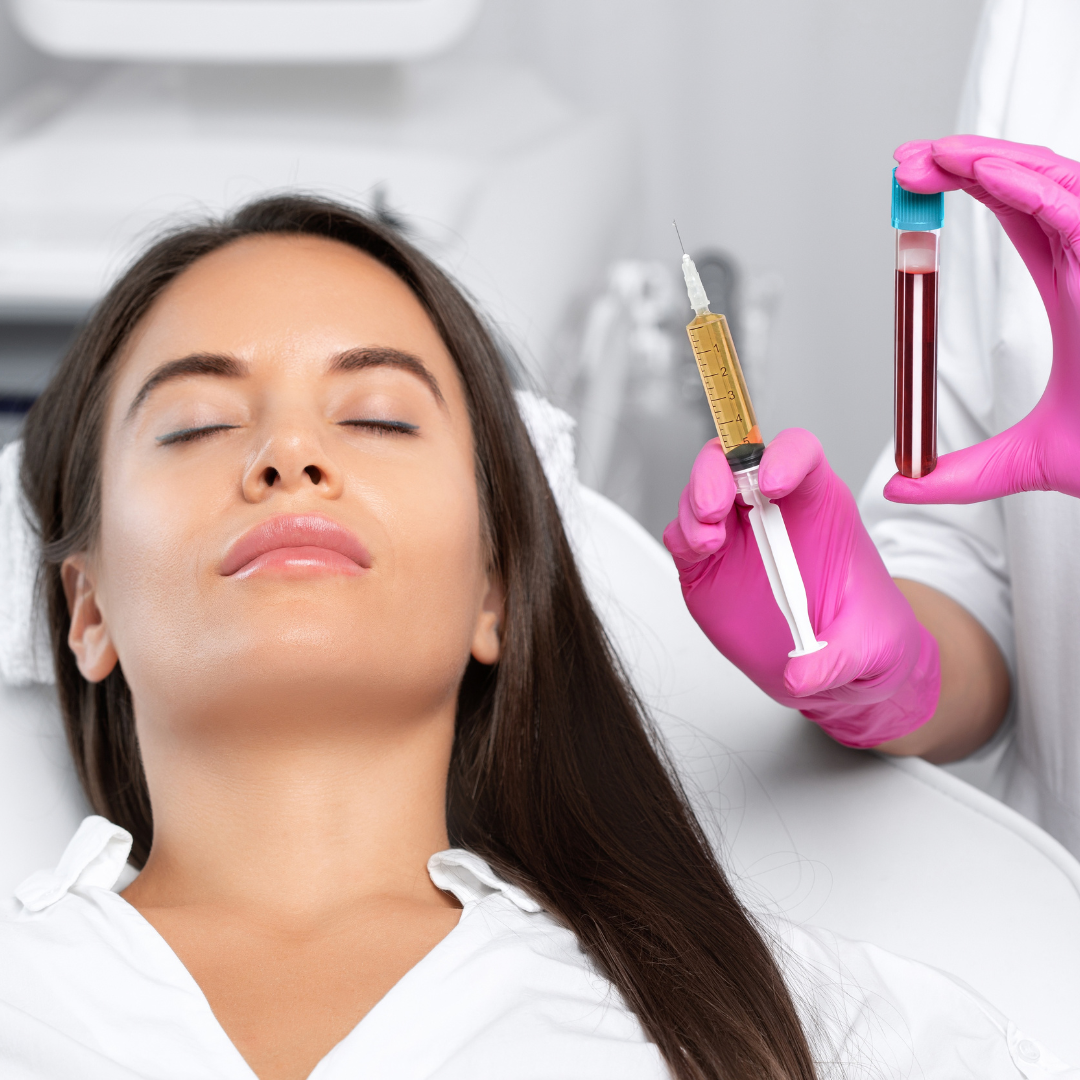
PRP Treatments
PRP uses your body’s own growth factors to support skin repair and recovery. For acne-prone skin, it may be used once breakouts are controlled to calm residual inflammation and support healing. Suitability is assessed in clinic.
LED Light Therapy
Uses specific wavelengths of light to reduce acne-causing bacteria and calm inflammation. Blue light targets bacteria associated with breakouts, while red light supports healing and reduces redness. It is a gentle, non-invasive treatment suitable for active blemishes and inflamed skin.
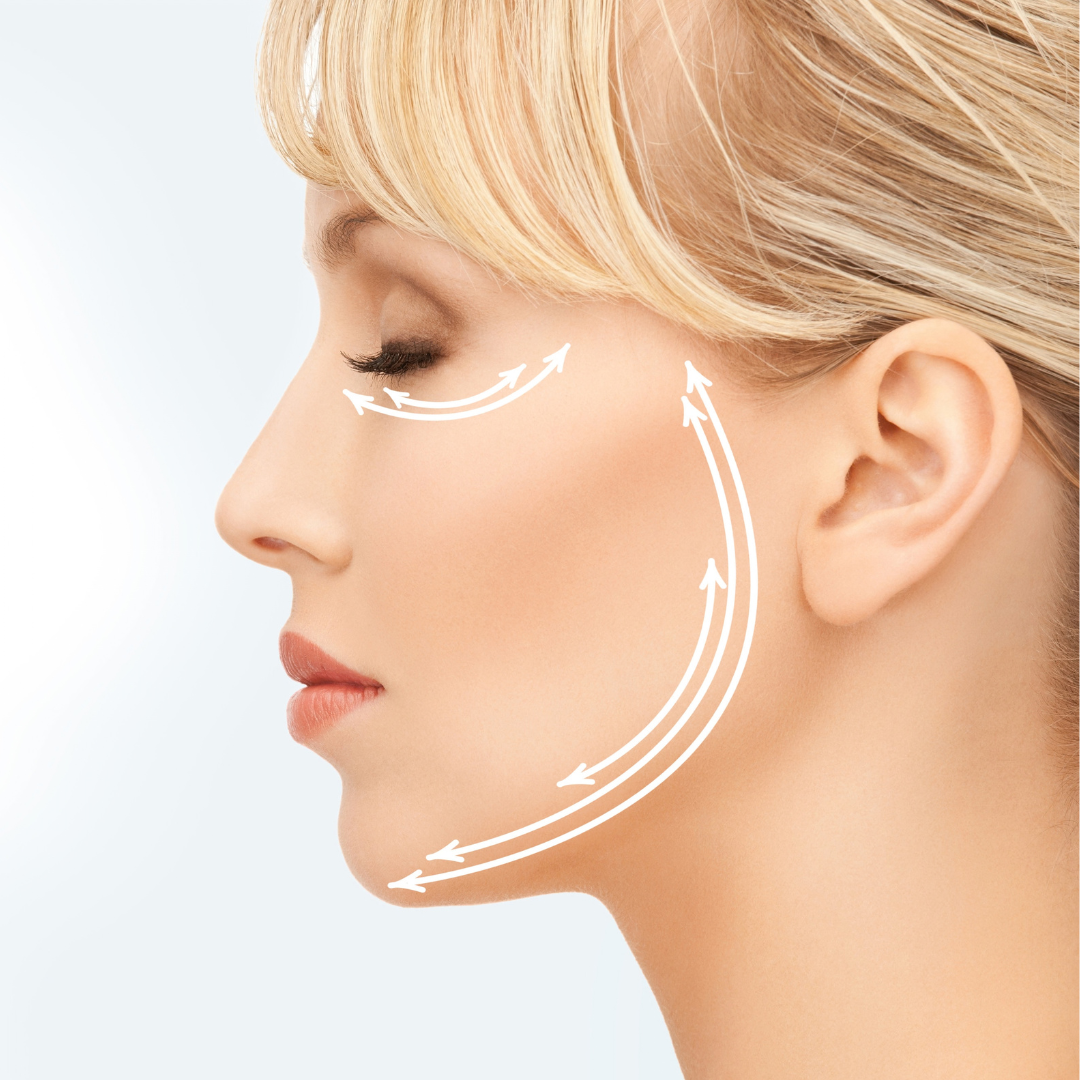
Skin Boosters
Skin boosters improve hydration and skin quality and may be suitable for acne-prone skin where breakouts are controlled. Product choice and technique are essential to avoid congestion. Suitability is always determined during consultation.
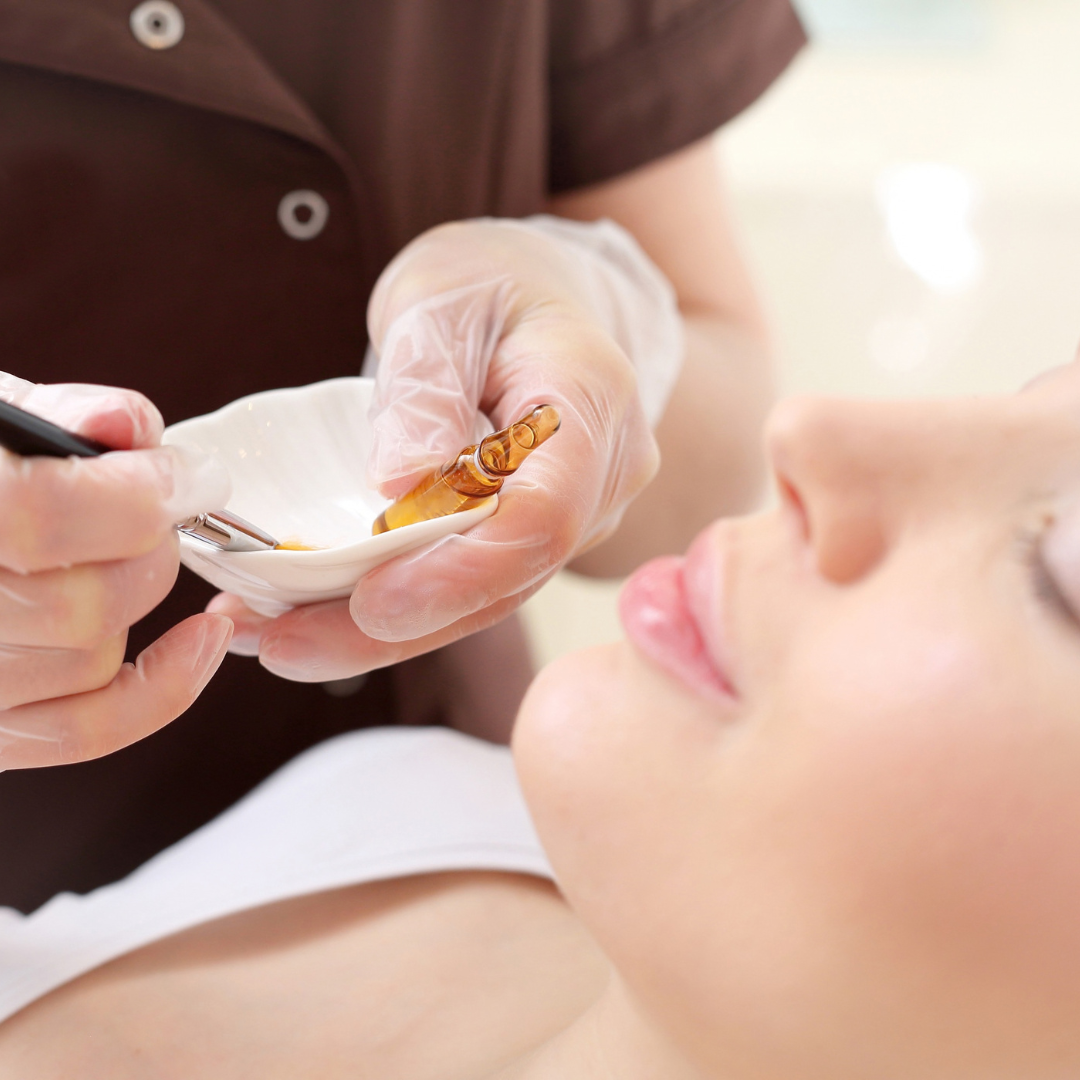
Chemical Peels
Chemical peels support controlled exfoliation to help reduce congestion, unblock pores, and improve skin clarity. They encourage skin renewal and can help reduce post-blemish marks and uneven texture. Peel type and strength are selected based on skin condition and sensitivity.
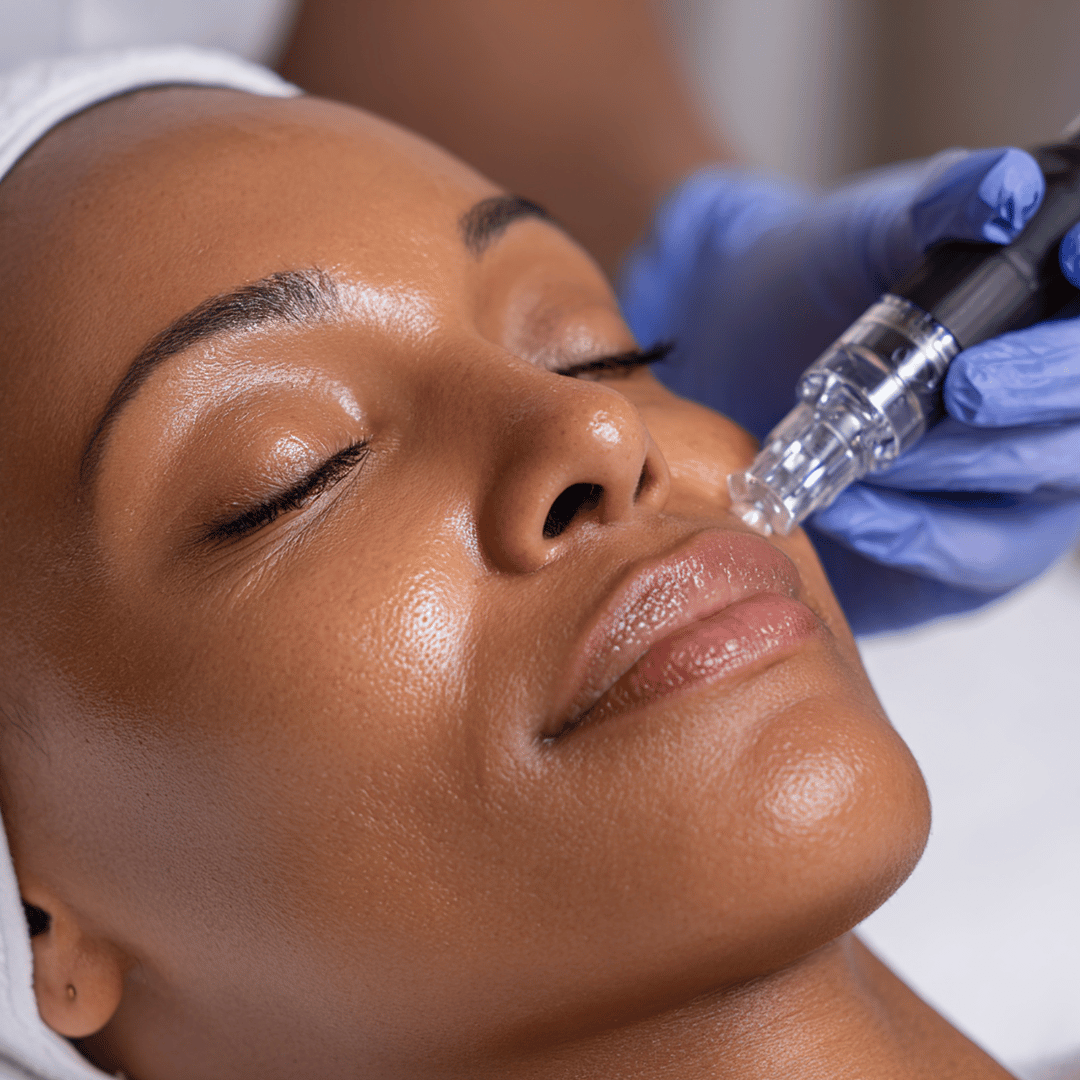
Microneedling
Microneedling supports skin repair and collagen production to improve texture and post-acne scarring. It is suitable once active inflammation is under control and is not performed over inflamed breakouts. Treatment depth and technique are tailored following consultation.
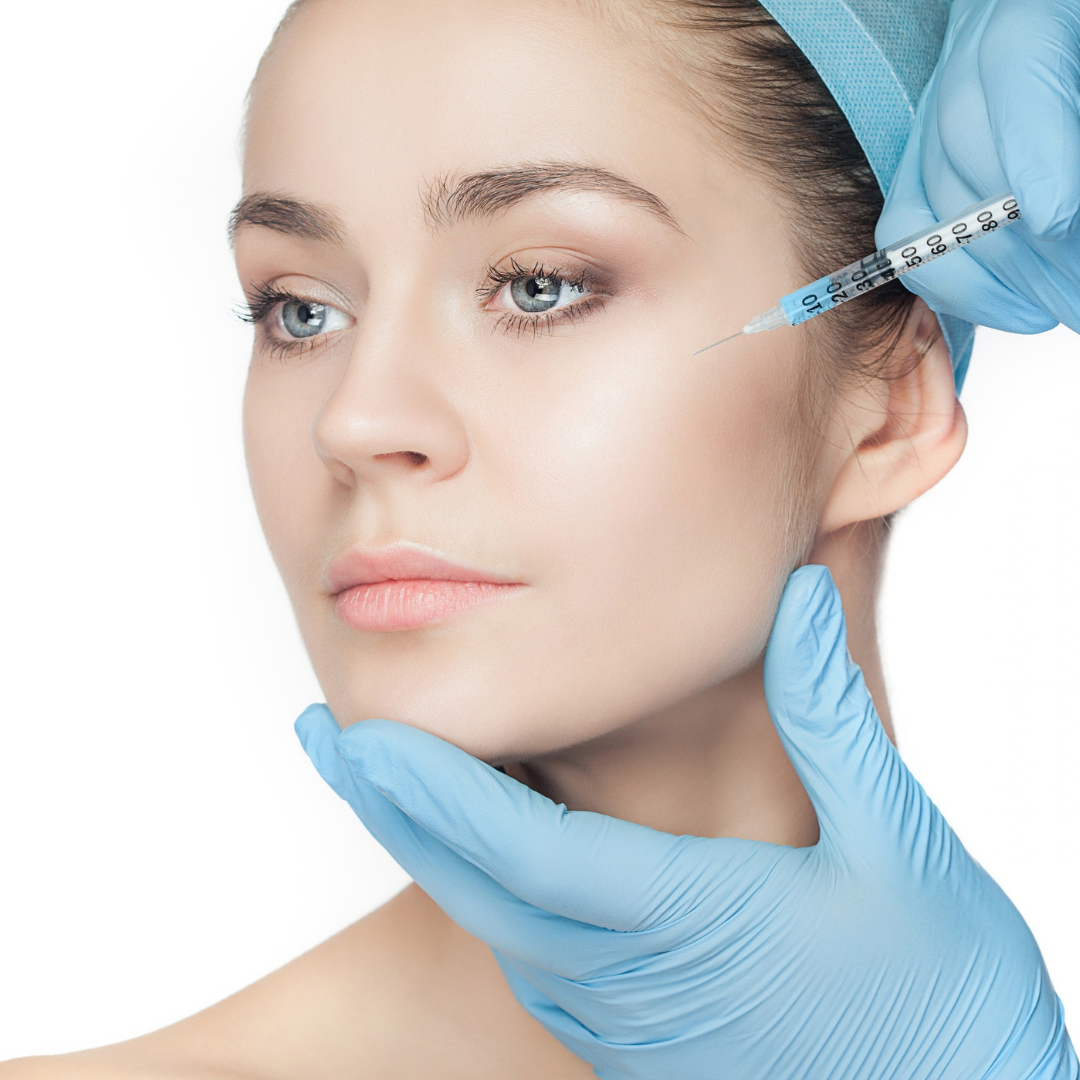
Polynucleotides
Polynucleotides support skin repair, hydration, and resilience, making them suitable for acne-prone skin that is fragile or recovering from inflammation. They help improve skin quality rather than treat active breakouts. Treatment planning focuses on long-term skin health.
Hydradermabrasion
Hydradermabrasion cleanses and exfoliates the skin while supporting hydration and comfort. It helps remove surface debris, excess oil, and congestion and can be adapted for blemish-prone or sensitive skin.
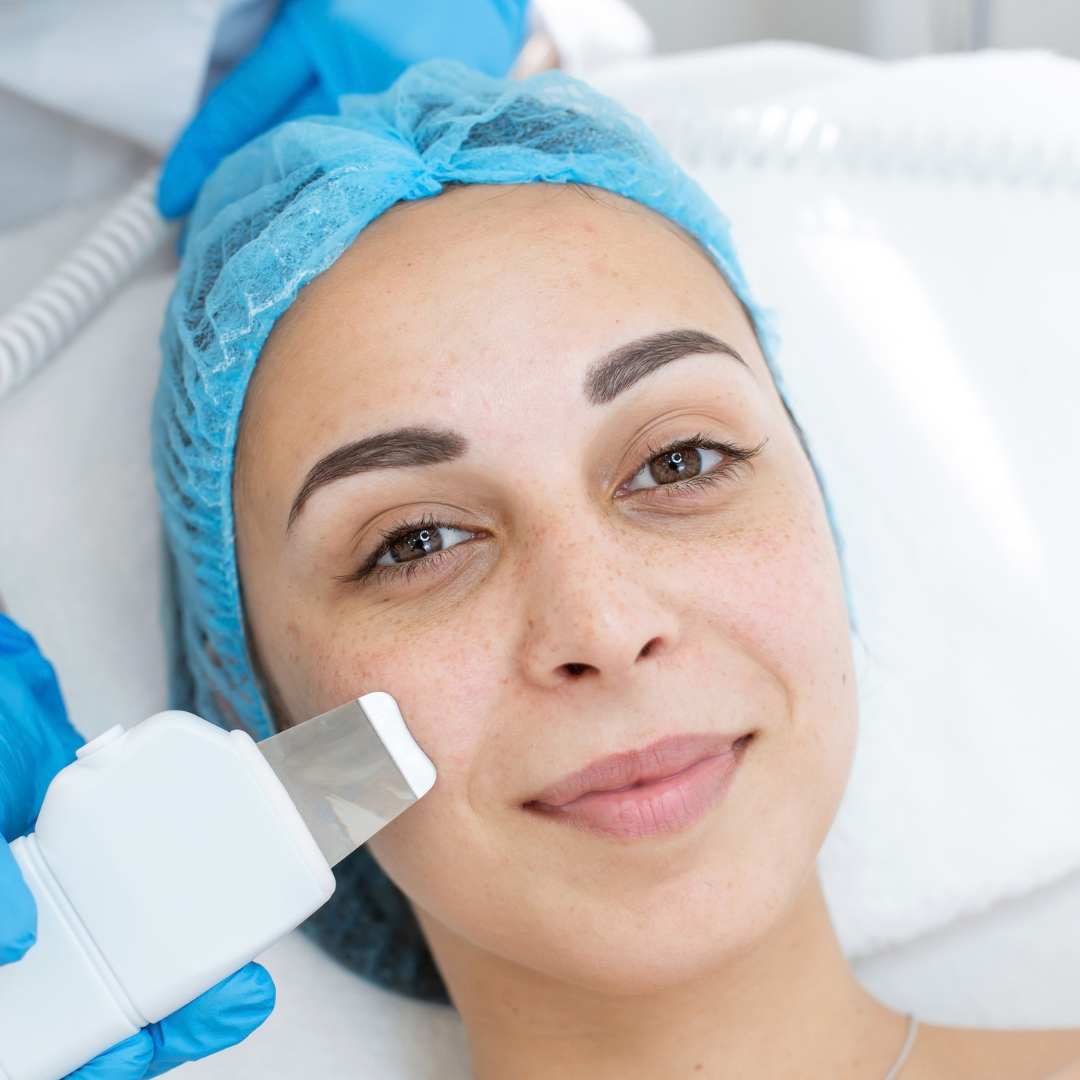
Ultrasonic Peeling
Ultrasonic peeling uses high-frequency vibrations to gently exfoliate the skin and remove surface debris and excess oil. It is particularly suitable for congested, blemish-prone skin where breakouts are non-inflamed. Treatment suitability is assessed in clinic to ensure the skin is appropriate.
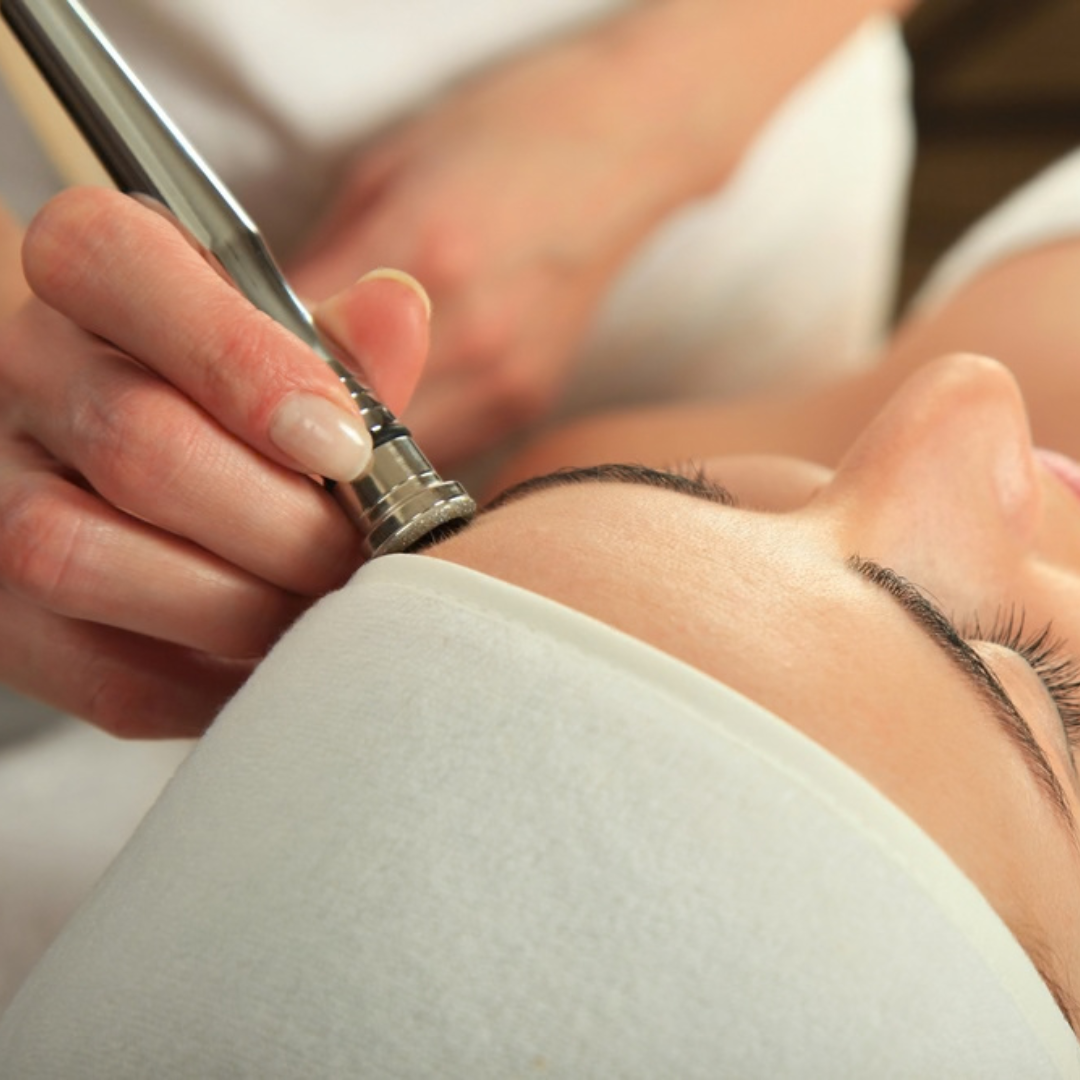
Microdermabrasion
Microdermabrasion provides controlled mechanical exfoliation to help remove dead skin cells, reduce surface congestion, and improve skin texture. It may be suitable for acne-prone skin where breakouts are mild and non-inflamed. Treatment suitability is always assessed in clinic to ensure the skin barrier is healthy and appropriate for exfoliation.
Dermaplaning
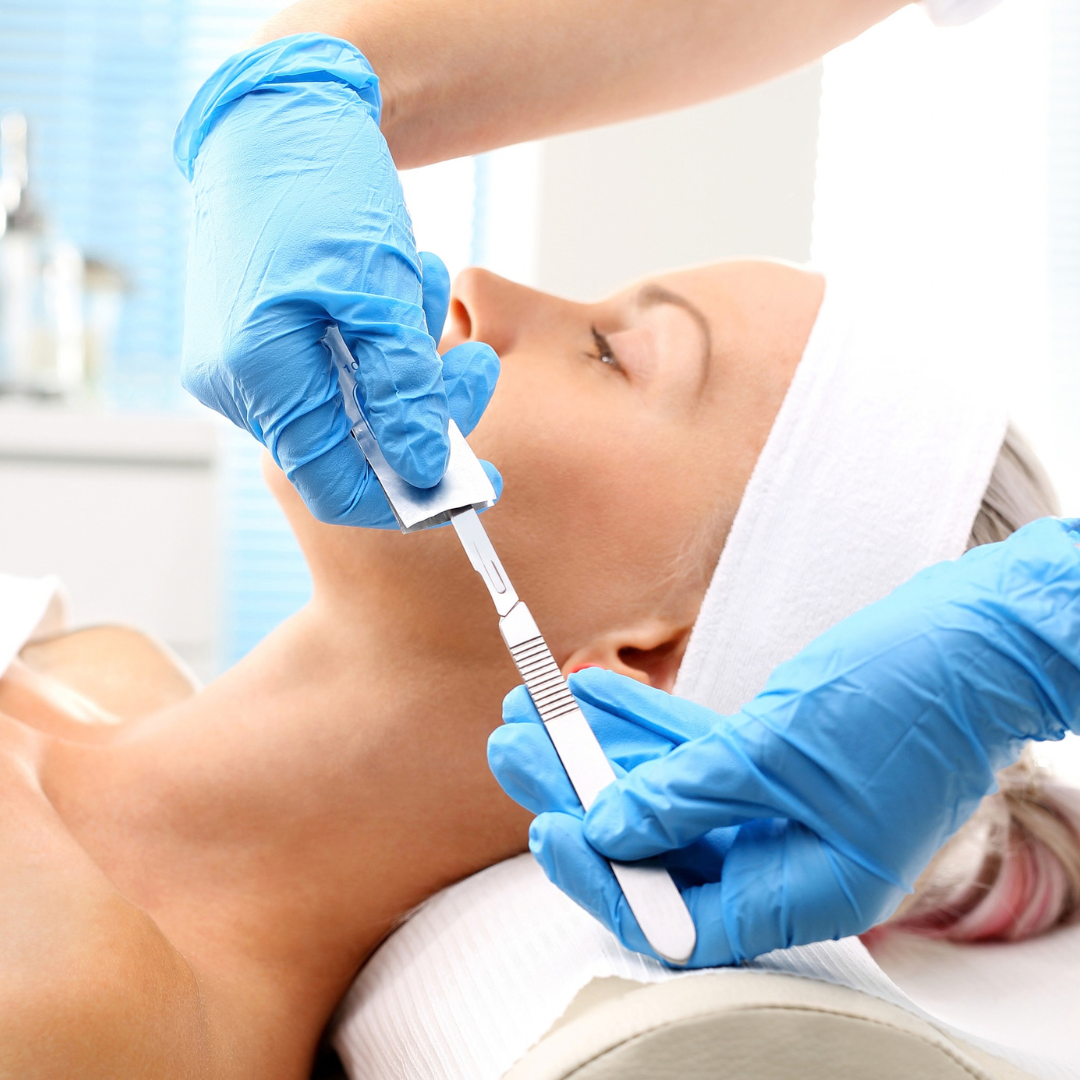
Dermaplaning provides controlled manual exfoliation to remove surface dead skin cells and fine vellus hair, helping to improve skin smoothness and product absorption. For blemish-prone skin, it may be suitable where breakouts are mild and non-inflamed. Suitability is always assessed in clinic, as dermaplaning is not appropriate for active acne.
Skincare
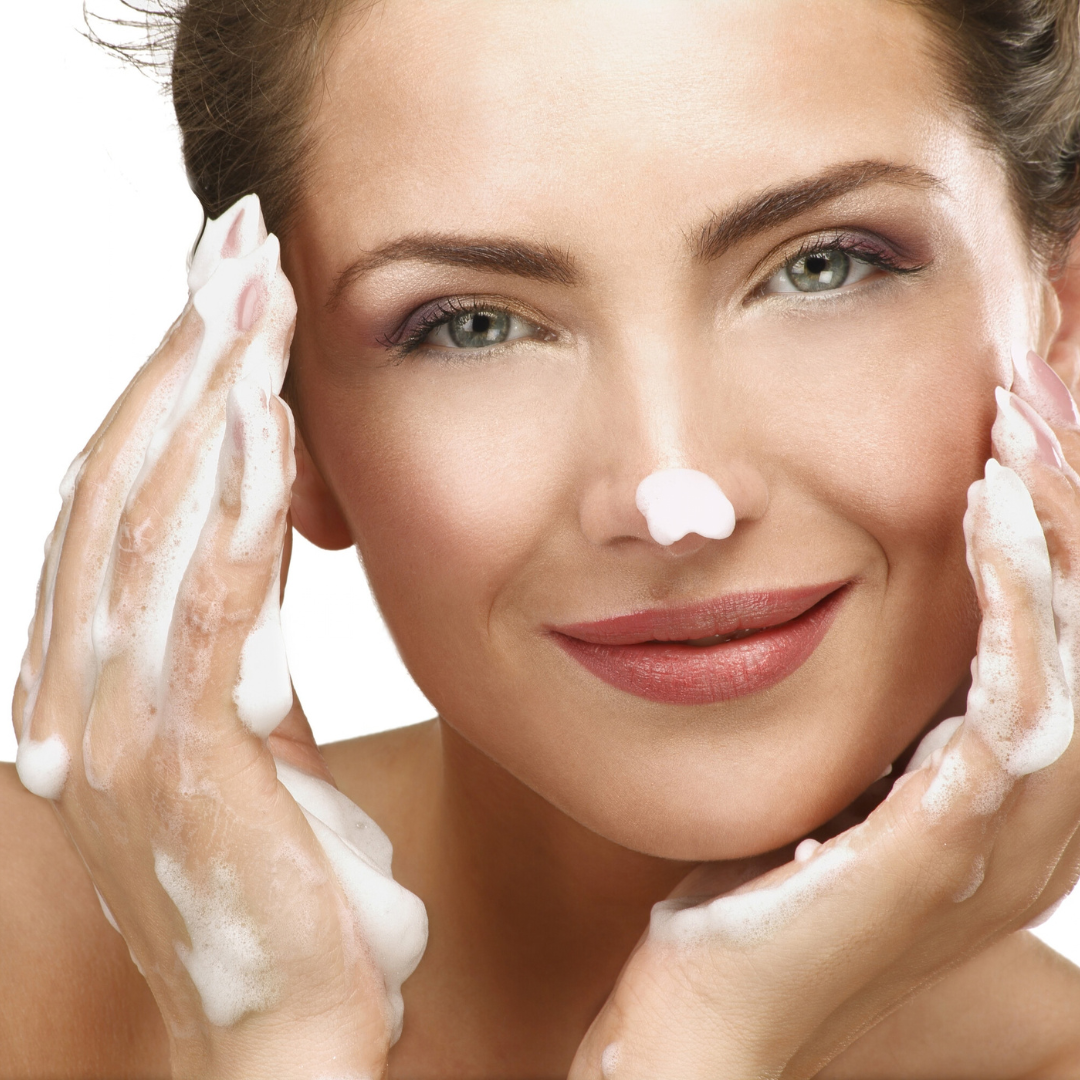
Professional skincare plays an important role in managing blemish-prone skin and supporting long-term skin health. Correct product selection helps regulate oil production, reduce congestion, and support the skin barrier without causing irritation. Skincare recommendations are always tailored following consultation to suit individual skin needs.
A personalised consultation allows us to assess your concerns in detail and create a treatment plan tailored to your individual needs. Professional assessment ensures treatments are selected safely and effectively.
Book your personalised consultation today to begin your treatment journey with confidence.